Leprosy
Leprosy
Leprosy, also known as Hansen’s Disease, is a chronic infectious condition caused by Mycobacterium leprae, primarily affecting the skin, nerves, eyes, and mucous membranes. When detected early, it is completely curable with modern medicines.
- Complete cure with early treatment
- Accurate diagnosis using skin tests & nerve evaluation
- Prevention of nerve damage & deformities
- Confidential, compassionate care
- Experienced dermatology & infectious disease specialists
Early Signs
“Spot the Symptoms Early to Prevent Long-Term Damage”

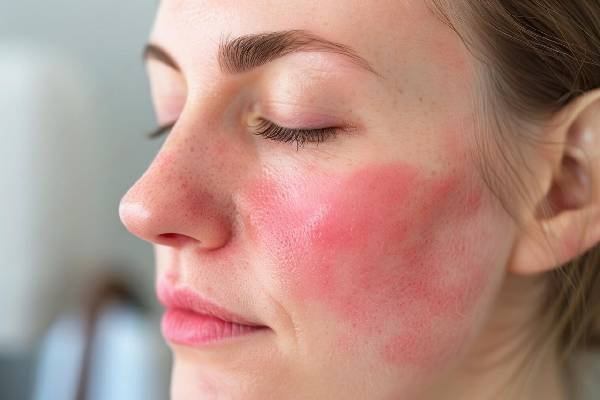
Reddish Skin Patches with Loss of Sensation
These patches usually lack normal sensation to touch, pain, or temperature, making them easy to overlook.

Tingling in the Affected Area
Patients may experience unusual sensations such as tingling, pricking, or complete numbness on certain parts of the skin.
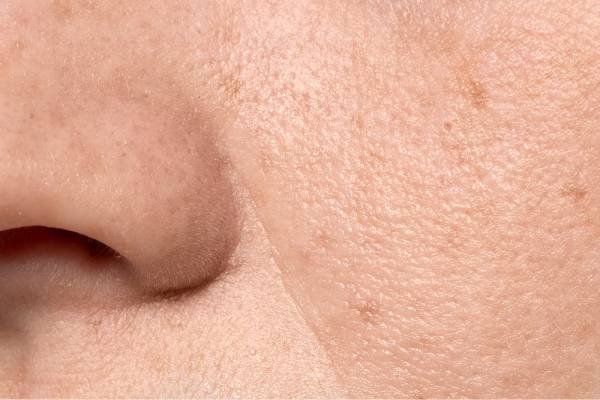
Dry or Scaly Skin Lesions
Reduced sweating in that area—caused by nerve damage—makes the skin lose moisture and develop a damaged texture.

Reduced Sweating in the Affected Area
Because the nerves controlling sweat glands are affected, the skin in those regions does not sweat normally.
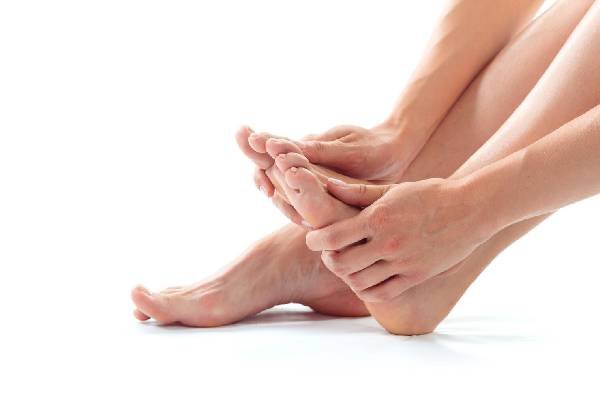
Numbness in Hands, Feet
This can lead to unnoticed injuries, burns, or wounds, as the person may not feel pain in those areas.

Weak Grip
Nerve damage affects muscle strength. Patients may feel weakness in their hands, have trouble holding objects.

Muscle Weakness
Over time, untreated Leprosy can cause progressive muscle weakness, especially in the feet and facial muscles.
Thickened Nerves
One of the characteristic signs of Leprosy is thickened or enlarged nerves. These nerves may become painful on touch.
Treatment Approach
Detailed Examination & Diagnosis
- Skin lesion evaluation
- Sensation testing
- Nerve function assessment

Personalized Multidrug Therapy
Combination therapy to ensure complete cure. Side-effect monitoring & periodic follow-ups. WHO-standard medications based on type.

Nerve & Skin Management
Anti-inflammatory medicines for nerve pain. Physiotherapy to avoid stiffness. Treatment of wounds, ulcers, or deformities.
Rehabilitation & Follow-Up Care
- Prevention of disability
- Hand & foot care guidance
- Long-term nerve health monitoring

Why Choose Teras Speciality Clinic
“Leading Leprosy Care with Precision, Privacy & Proven Results”
- Expert Dermatologists & Nerve Care Specialists
- Precise Diagnosis with Advanced Assessment
- WHO-Recommended Multidrug Therapy (MDT)
- Comprehensive Nerve & Skin Management
- Compassionate, Confidential & Non-Judgmental Care
- Holistic Recovery & Long-Term Follow-Up
Before & After Gallery
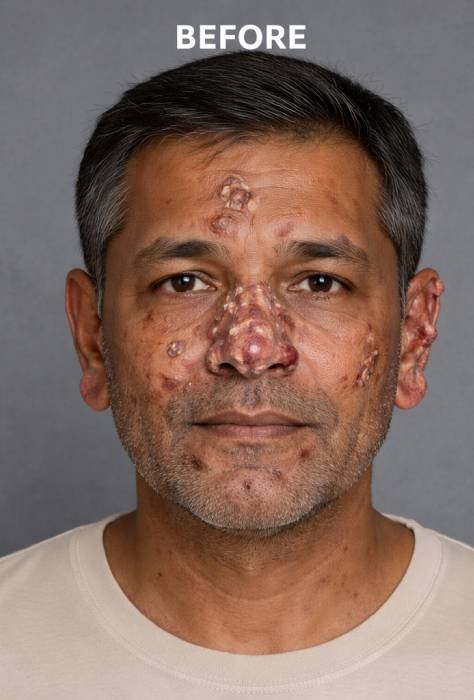
Before beginning treatment, patients may experience light or reddish skin patches, loss of sensation, numbness, or tingling in different parts of the body. Some individuals may develop dry, scaly lesions, nerve pain, muscle weakness, or thickened nerves near the elbows, knees, or neck. In more advanced cases, painless wounds, ulcers on the hands or feet, or eyebrow hair loss may be present due to nerve damage and reduced sensitivity.
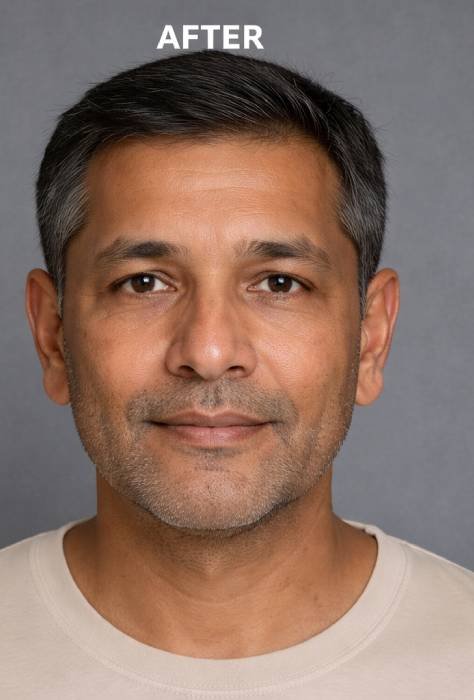
After completing the structured treatment at Teras Speciality Clinics, patients typically experience significant improvement in skin health, with patches healing and becoming normal in color and texture. Sensation gradually returns as nerve inflammation reduces, leading to better movement, stronger grip, and reduced numbness or tingling. Wounds and ulcers heal effectively with proper care, and physiotherapy restores muscle strength and joint mobility.

Book An Appointment
“Take the First Step Toward Complete Recovery”
Early diagnosis and timely treatment play a crucial role in preventing nerve damage, stopping the progression of symptoms, and ensuring a complete cure from Leprosy. When detected early, the condition is fully treatable, and long-term complications can be completely avoided. At Teras Speciality Clinics, our expert team is committed to providing comprehensive, compassionate, and confidential care for individuals at every stage of Leprosy—from the earliest signs to advanced cases requiring nerve protection and rehabilitation. Our specialists take the time to understand your concerns, assess your symptoms thoroughly, and create a personalized treatment plan that focuses on both medical recovery and overall wellbeing.
“We’re Here to Help—Reach Out for Expert Care & Guidance”
FAQS
Is Leprosy curable?
Yes. Leprosy is completely curable with WHO-recommended multidrug therapy (MDT). When diagnosed early, the treatment stops the infection, prevents nerve damage, and allows patients to recover fully without long-term complications. Consistent medication and regular follow-ups ensure successful results.
How is Leprosy transmitted?
Leprosy spreads only through prolonged and close contact with an untreated individual, mainly through droplets from the nose or mouth. It is not spread through casual contact, such as touching, shaking hands, sharing meals, or sitting next to someone, which makes the risk of transmission extremely low once treatment begins.
How long does treatment take?
The duration of treatment depends on the type of Leprosy. Most patients require 6 to 12 months of MDT. This structured schedule ensures that all bacteria are eliminated and prevents relapse. Your doctor will determine the exact duration based on the severity and classification.
Can Leprosy cause permanent damage?
Leprosy can lead to nerve damage, muscle weakness, and deformities—but only when left untreated for a long time. Early detection and proper treatment at Teras Speciality Clinics prevent these complications and allow patients to recover normal skin sensation, mobility, and nerve function.
Are patients isolated?
No. Isolation is not necessary for Leprosy patients. Once a person starts MDT, they become non-infectious almost immediately and can continue their daily routines, work, and social interactions without putting others at risk.
Can children get Leprosy?
Yes, children can be affected, especially if they have prolonged exposure to an untreated case in the household. However, with early diagnosis and modern treatment, children respond very well, recover quickly, and can avoid long-term problems.
Are there visible side effects of treatment?
Most individuals tolerate MDT without significant issues. Some minor side effects may occur, such as skin discoloration or mild stomach upset, but these are temporary and easily managed with medical supervision. Your doctor will guide you through the entire process to ensure safe and comfortable treatment.
Do patients need surgery?
Surgery is not required for most patients. It is only considered in severe or advanced cases where nerve damage has led to deformities, long-standing ulcers, or functional loss. With early treatment at Teras Speciality Clinics, the need for surgery is rare, as we focus on prevention, rehabilitation, and nerve protection from the start.
Our Testimonials