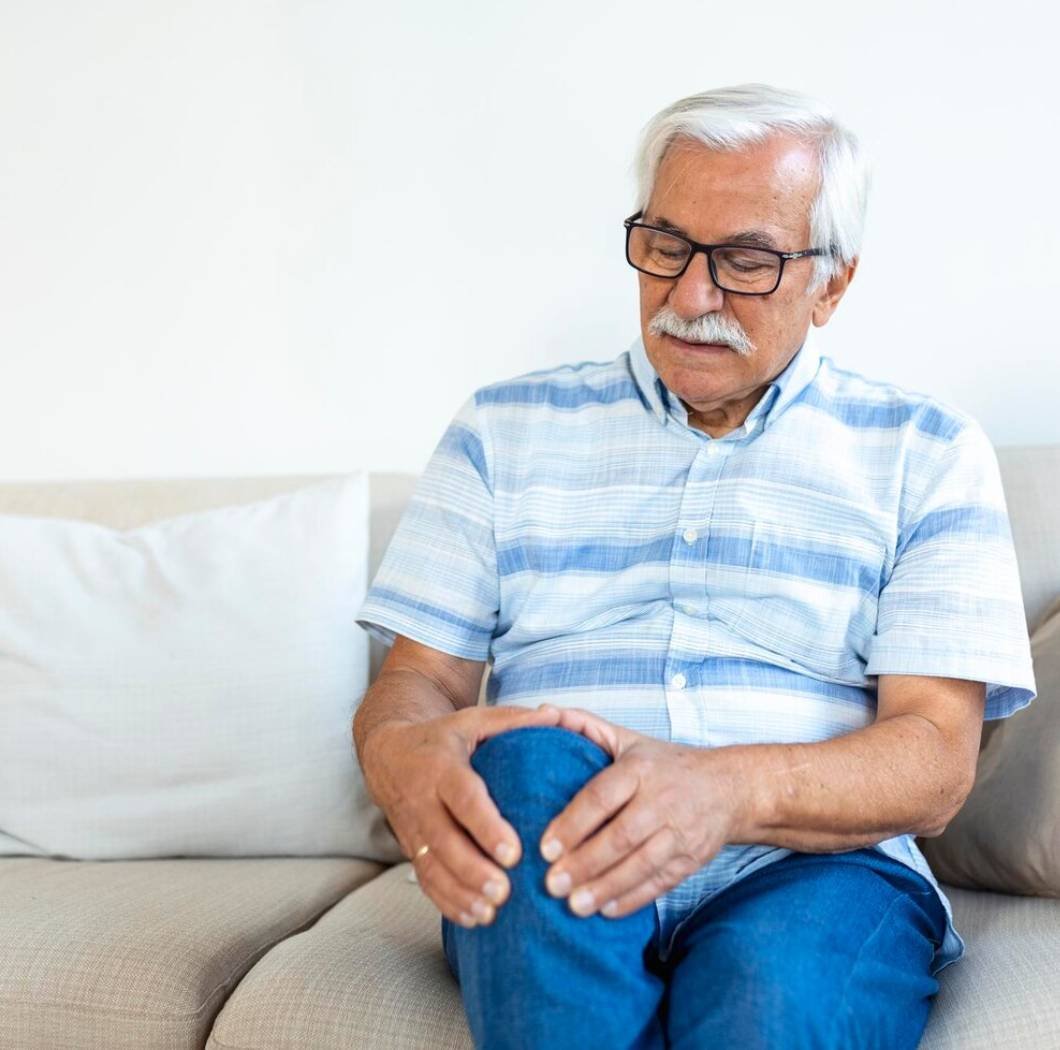

Osteoarthritis (OA) Knee
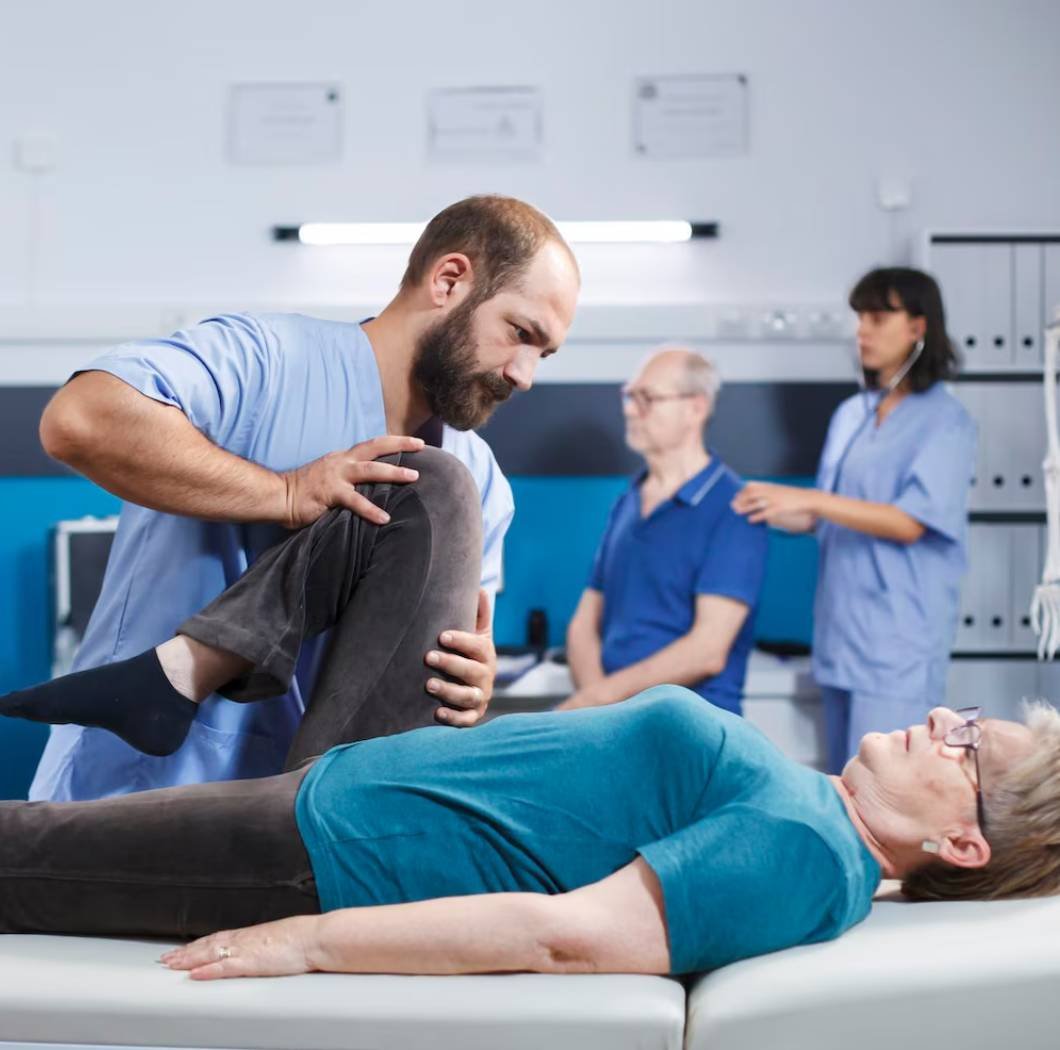
Physiotherapy is one of the most effective non-surgical treatments to slow down the progression of OA, strengthen joint-supporting muscles, and restore comfortable movement.
- Targeted Pain Reduction Techniques
- Strengthening of Knee & Supporting Muscles
- Improved Mobility & Flexibility
- Correction of Gait & Posture
- Slow Degeneration & Delay Surgery
Early Signs
"Identify the Signals Early — Protect Your Skin Before Problems Grow"

Non-Healing Wounds
Cuts, sores, or lesions that do not heal properly may point to chronic skin disease, poor immunity, or infection.
Unusual Patches
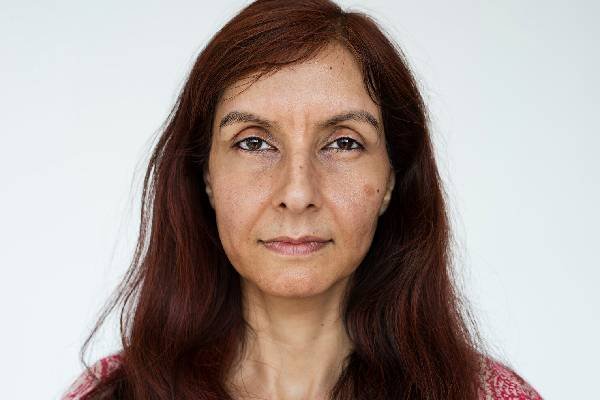
Light or dark patches, uneven tone, or sudden pigmentation changes may be related to vitiligo, dermatitis, or chronic skin conditions.
Cracked Skin
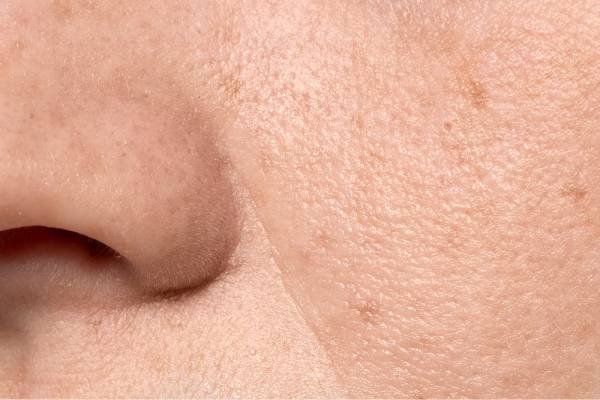
Skin that feels rough, flaky, or excessively dry may be an early sign of psoriasis, eczema, or environmental damage.

Small Bumps, Blisters
Unexpected eruptions on the skin—whether itchy, painful, or spreading—can signal infections, allergic reactions, or autoimmune issues.
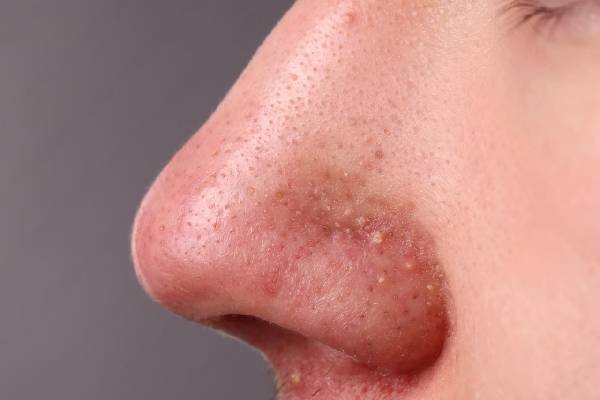
Sudden Pigmentation Changes
Dark spots, white patches, or uneven tone appearing without reason may require medical evaluation to rule out underlying conditions.

Oozing, Burning, or Inflammation
Any area of skin that becomes warm, swollen, oozes fluid, or develops crusting could indicate infection and needs prompt treatment.

Persistent Itching or Redness
Ongoing irritation, redness, or burning sensation could indicate allergies, eczema, fungal infections, or inflammation.

Unusual Skin Sensations
Abnormal sensations on the skin—such as tingling, burning, stinging, or numbness—can indicate underlying infections, nerve-related skin conditions, or inflammatory disorders.
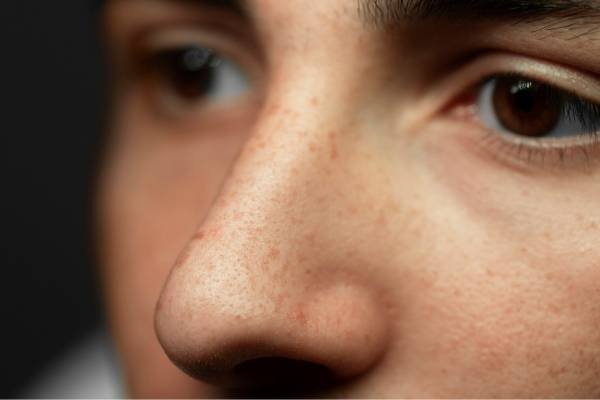
Treatment Approach
Detailed Skin Examination
A thorough evaluation of the affected skin, including texture, colour changes, patterns, and symptoms to identify the exact condition.

Advanced Diagnostic Tests
Dermatoscopy, skin scraping, allergy tests, biopsy, or blood tests may be performed for accurate diagnosis.
Personalized Treatment Planning
Based on the condition, severity, and skin type, a customised treatment protocol is prepared using medical therapies.

Targeted Medical Treatment
Evidence-based treatments such as topical creams, oral medications, laser therapy, phototherapy, chemical peels.

Skin Repair & Symptom Management
Focus on reducing itching and redness and preventing spread. Supportive care includes moisturizing and healing serums.
Long-Term Skin Health Plan
Regular monitoring ensures healing progress, adjusts treatments, and provides lifestyle, diet, and skincare guidance.
Why Choose Teras Speciality Clinic
"Where Expert Care Meets Lasting Recovery"
- Specialist Physiotherapists Experienced in OA Joint Care
- Customized Programs for Every Age & Severity
- Advanced Modalities for Effective Relief
- Holistic Approach to Long-Term Knee Health
- Evidence-Based Treatment Protocols
Before & After Gallery
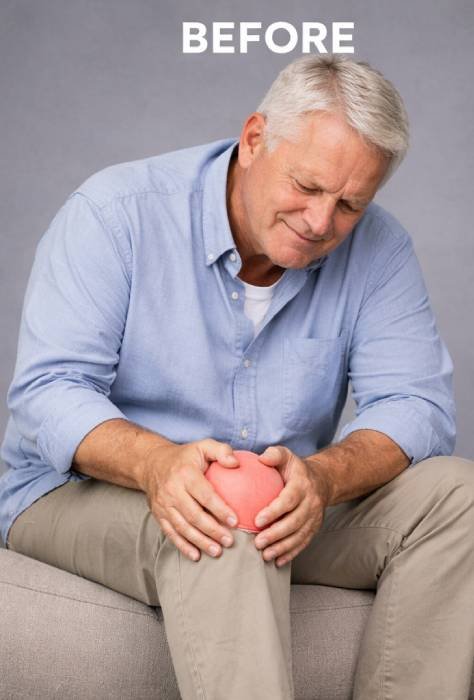
Before beginning physiotherapy, patients with Osteoarthritis (OA) of the knee often face persistent and progressive symptoms that interfere with daily living. Chronic knee pain may limit movement throughout the day, while morning stiffness can make it difficult to stand up, walk, or begin routine activities. Swelling around the knee joint and a feeling of heaviness or tightness often worsen after prolonged sitting or standing.
Following a structured, personalized physiotherapy program at Teras Speciality Clinics, patients notice a remarkable transformation in their knee function and daily comfort. Pain levels begin to decrease as inflammation reduces and the supporting muscles around the knee become stronger. Mobility improves significantly—patients find it easier to bend, walk, sit, stand, and transition between movements without stiffness or discomfort.

Book An Appointment
"A Pain-Free Life Begins With One Appointment"
Reclaim pain-free mobility and protect your knees for the years ahead. Book your OA Knee Physiotherapy consultation today and take the first step toward stronger, healthier joints. At Teras Speciality Clinics, our physiotherapy experts provide a thorough assessment of your knee condition, identify the root cause of your pain, and guide you through every stage of recovery.
During your consultation, our specialists will clearly explain your treatment options, answer your concerns, and outline what you can expect during the rehabilitation process.
"Connect With Us for Expert Physiotherapy Care"
FAQS
Can physiotherapy help Osteoarthritis (OA) of the knee?
Yes. Physiotherapy is a highly effective non-surgical approach to managing OA of the knee. Through targeted exercises, joint mobilization, and specialized techniques, physiotherapy can relieve pain, reduce stiffness, improve knee function, and slow down the progression of joint degeneration. Early intervention often yields the best outcomes.
How many sessions will I need?
The number of sessions varies depending on the severity of your OA, your age, activity level, and how your knee responds to treatment. Many patients begin to feel noticeable improvements within 3–5 sessions, but a full rehabilitation program may last several weeks to months to achieve optimal results.
Is physiotherapy enough to avoid knee replacement?
In many cases, yes. Consistent physiotherapy focusing on strengthening muscles around the knee, improving flexibility, and correcting movement patterns can significantly delay or even prevent the need for knee replacement surgery. The earlier you start therapy, the better your chances of avoiding surgery.
Does physiotherapy reduce swelling?
Absolutely. Techniques such as manual therapy, ice therapy, compression, and specialized therapeutic modalities can effectively reduce knee inflammation and swelling. Reducing swelling also helps improve mobility and decreases discomfort.
Is OA knee treatment painful?
No, the treatment is designed to relieve pain, not cause it. Some initial stiffness or mild discomfort during exercises may occur, especially if the joint has been inactive. However, this typically eases quickly, and the overall therapy improves pain and function over time.
Will exercises be given for home practice?
Yes. Home exercises are an essential part of OA knee management. They reinforce in-clinic therapy, support faster recovery, and help maintain long-term results. Our physiotherapists provide clear guidance to ensure exercises are safe and effective.
How soon will I see improvement?
Many patients experience reduced pain and improved movement within 5–7 sessions. However, the pace of improvement depends on individual factors such as joint condition, adherence to exercises, and overall health.
Can physiotherapy stop OA from worsening?
While OA is a progressive condition, physiotherapy can significantly slow its progression. Strengthening muscles, improving joint alignment, enhancing mobility, and reducing strain on the knee all contribute to preserving joint health and function over time.
Our Testimonials