

Teras Speciality Clinics

Back Pain Treatment

Back Pain Treatment

“Relieve the Pain. Restore the Movement. Renew Your Life”

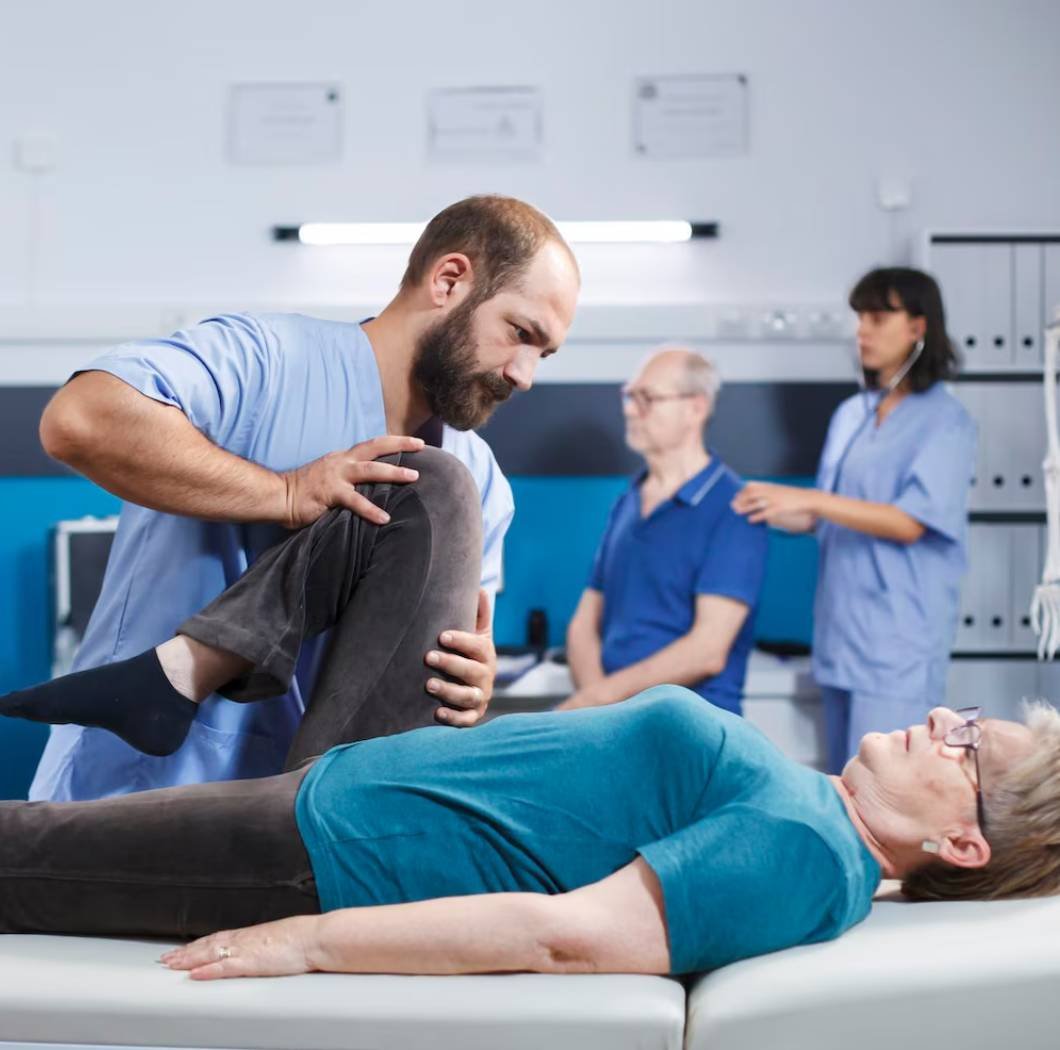
Back pain is one of the most common medical concerns affecting people of all ages. Whether it’s caused by muscle strain, posture issues, disc problems, nerve compression, or lifestyle stress, timely treatment can prevent long-term complications and restore comfortable movement.

Early Signs

"Identify the Signals Early — Protect Your Skin Before Problems Grow"

Non-Healing Wounds

Cuts, sores, or lesions that do not heal properly may point to chronic skin disease, poor immunity, or infection.
Unusual Patches

Light or dark patches, uneven tone, or sudden pigmentation changes may be related to vitiligo, dermatitis, or chronic skin conditions.

Cracked Skin

Skin that feels rough, flaky, or excessively dry may be an early sign of psoriasis, eczema, or environmental damage.

Small Bumps, Blisters

Unexpected eruptions on the skin—whether itchy, painful, or spreading—can signal infections, allergic reactions, or autoimmune issues.

Sudden Pigmentation Changes

Dark spots, white patches, or uneven tone appearing without reason may require medical evaluation to rule out underlying conditions.

Oozing, Burning, or Inflammation

Any area of skin that becomes warm, swollen, oozes fluid, or develops crusting could indicate infection and needs prompt treatment.

Persistent Itching or Redness

Ongoing irritation, redness, or burning sensation could indicate allergies, eczema, fungal infections, or inflammation.
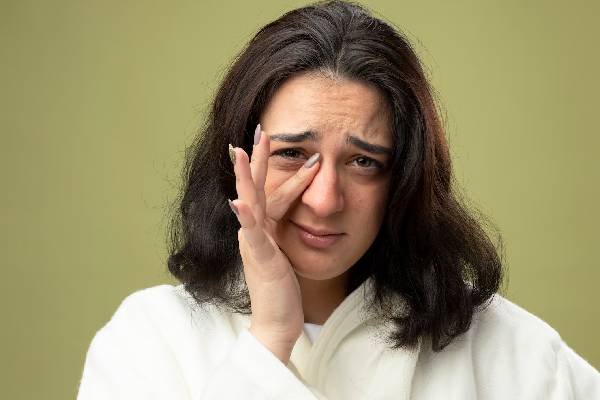
Unusual Skin Sensations

Abnormal sensations on the skin—such as tingling, burning, stinging, or numbness—can indicate underlying infections, nerve-related skin conditions, or inflammatory disorders.

Treatment Approach

"Advanced, Evidence-Based Treatments Tailored to Your Skin’s Needs"

Why Choose Teras Speciality Clinic

“Expert Spine Care You Can Trust for Faster, Lasting Relief”

Before & After Gallery

“From Concern to Confidence—Our Results Speak”

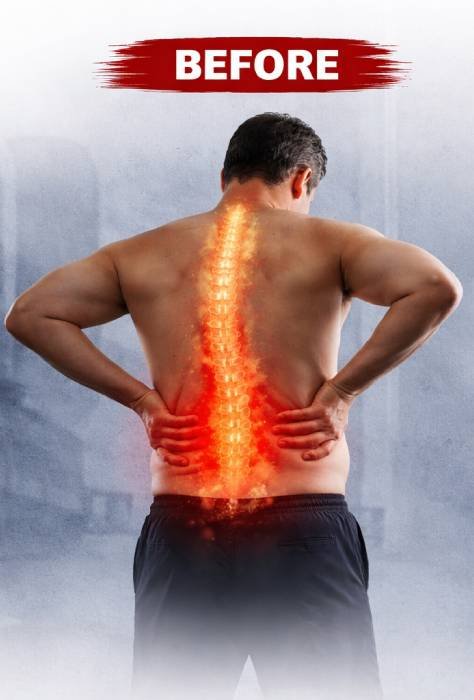
Before beginning treatment at Teras Speciality Clinics, many patients struggle with constant or recurring back pain that interferes with even the simplest daily routines. Activities such as bending to pick up objects, sitting for long periods, climbing stairs, or getting out of bed often become uncomfortable or even painful. Persistent stiffness, muscle tightness, and restricted mobility can lead to fatigue, reduced productivity, and emotional distress, ultimately affecting overall quality of life.

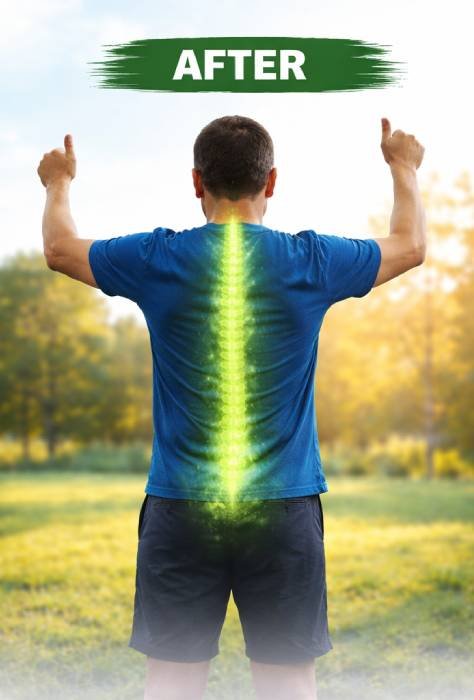
After receiving structured back pain management at Teras Speciality Clinics, patients typically experience a noticeable and steady improvement. Pain levels reduce significantly, flexibility increases, and posture becomes more aligned and comfortable. With targeted strengthening exercises, manual therapies, physiotherapy sessions, and guided rehabilitation, mobility is restored and daily tasks become easier and more effortless. Many patients regain the confidence to return to work, resume physical activities, and enjoy a more active lifestyle—often without the need for long-term pain medications.

Book An Appointment

“Take the First Step Toward a Pain-Free Tomorrow”

If back pain is affecting your comfort, mobility, or daily routine, taking timely action can make all the difference. At Teras Speciality Clinics, our orthopaedic and spine specialists provide accurate diagnosis, personalized treatment plans, and advanced therapies designed to relieve pain and restore movement. Whether you’re facing new symptoms or dealing with long-standing discomfort, we are here to guide you toward safe, effective, and long-lasting recovery. Book your appointment today and take the first step toward a pain-free, active, and confident life.

“Reach Out Today—Your Relief Begins with the Right Care”

Please enable JavaScript in your browser to complete this form.

FAQS

“Have Questions in Your Mind? Get the Answers Now”

Back pain can arise from various factors including muscle strain, ligament fatigue, poor posture, herniated discs, arthritis, spinal degeneration, nerve compression (such as sciatica), injuries from falls or accidents, and stress-related muscle tension. Lifestyle habits like prolonged sitting, improper lifting, and lack of exercise also contribute significantly to back discomfort.

You should consult a doctor if back pain lasts more than a few days, becomes severe, restricts movement, or gets worse with daily activities. If the pain radiates to the legs, is accompanied by numbness, weakness, or bladder/bowel issues, a medical evaluation is essential, as these may indicate nerve involvement or serious underlying conditions.

Yes. Physiotherapy is a key component of back pain treatment as it strengthens supporting muscles, improves posture, enhances flexibility, and reduces strain on the spine. Tailored exercises and manual therapy help relieve pain, restore movement, and prevent future injury, making physiotherapy essential for long-term recovery.

Absolutely. Most cases of back pain respond well to non-surgical treatments such as medication, heat therapy, posture correction, physiotherapy, spinal manipulation, and strengthening exercises. Minimally invasive procedures like targeted injections may also help when needed. Surgery is recommended only for severe or persistent cases that do not improve with conservative care.

Recovery time varies based on the cause and severity of the condition. Mild back pain often improves within 2–6 weeks with proper care, while chronic or nerve-related pain may require a longer treatment plan. Consistent physiotherapy and lifestyle changes significantly speed up recovery.

Yes, back pain can recur, especially if posture issues, weak muscles, or unhealthy lifestyle habits persist. Following a maintenance exercise program, practicing good ergonomics, staying active, and attending follow-up sessions can greatly reduce the chances of recurrence.

Diagnosis may involve physical examination, posture and mobility assessment, digital X-rays, MRI scans, CT scans, or nerve conduction studies. These tests help identify disc issues, fractures, arthritis, nerve compression, and other structural problems affecting the spine.

Yes. Stress can cause muscle tightness, tension buildup, and spasms in the back and neck, contributing to chronic pain. Emotional stress also impacts pain perception, making discomfort feel worse. Relaxation techniques, stretching, and balanced lifestyle habits can help reduce stress-related back pain.

Our Testimonials

“What Our Patients Say About Us”

Dr. Ram kumar orthopaedic well experienced surgeon all kind of Trauma and fracture . Patients friendly and explained very clearly to patients comfortable zone.
Dinesh Kumar
Excellent Orthopedic Doctor, Very Caring, explains everything clearly & gives the right treatment, Highly Recommend!
Anand V
Great set up. Dr. Ram is very good. Had taken my elderly mother for a wrist fracture and I myself went for neck / back pain.
Prem Palanivel