
Vitiligo
Vitiligo
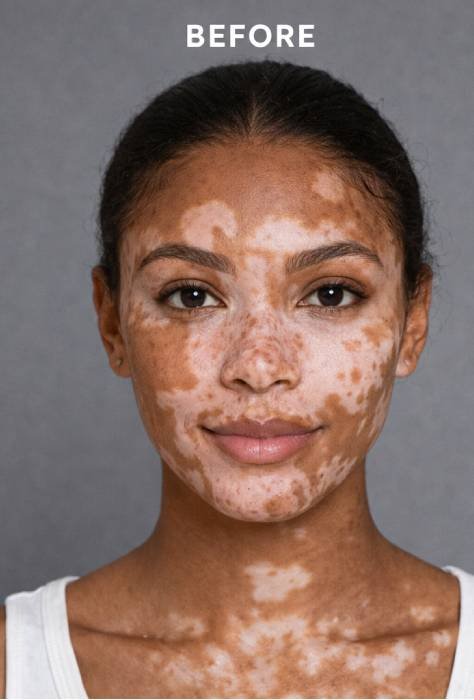
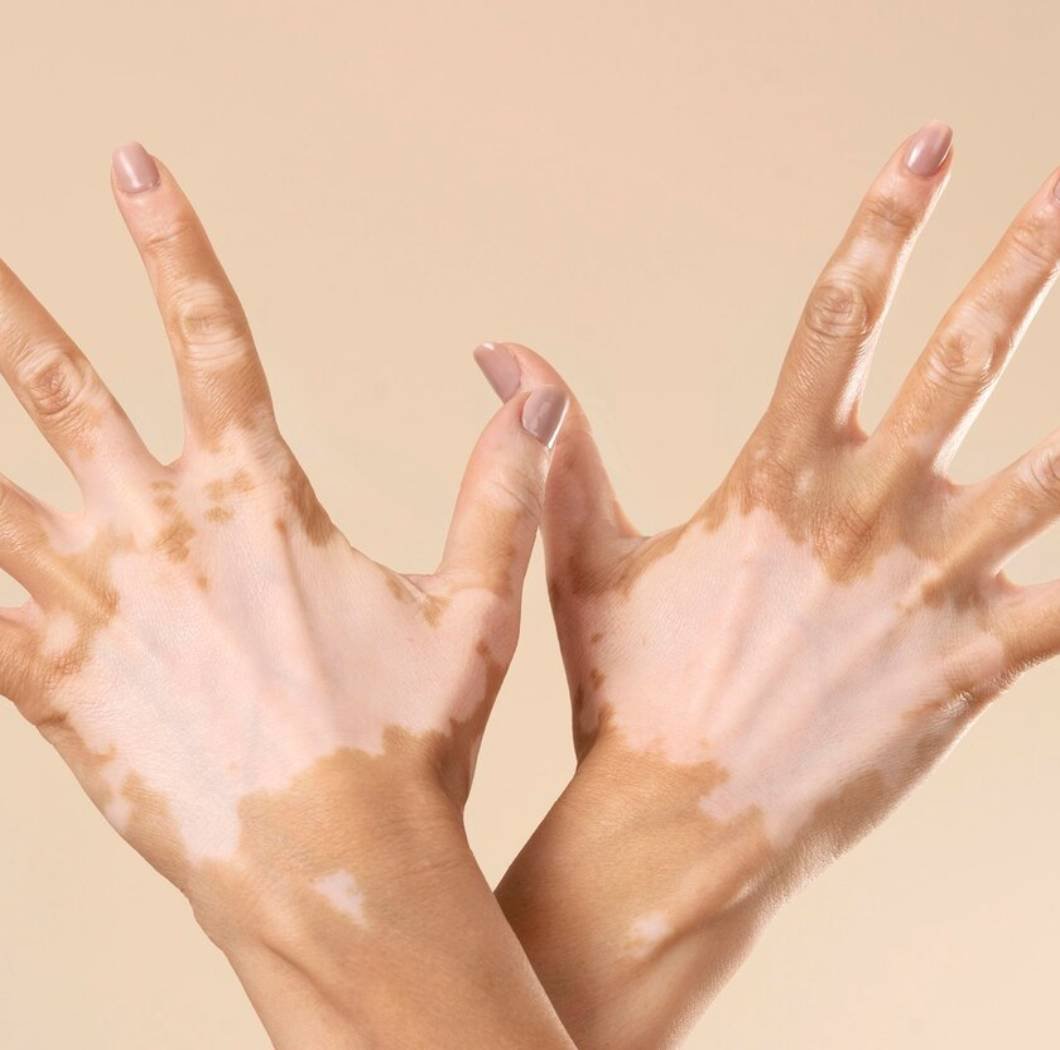
Vitiligo is a long-term skin condition in which the pigment-producing cells (melanocytes) stop functioning, leading to white or depigmented patches on the skin. Although not harmful or contagious, Vitiligo can have a deep emotional and social impact.
- Accurate diagnosis with specialized dermatology evaluation
- Latest medical treatments for repigmentation
- Advanced phototherapy (NB-UVB) options
- Compassionate guidance, counseling & emotional support
- Long-term management to control spreading
Early Signs
“Spot the Changes Early—Protect Your Skin’s Future”

Sudden Appearance of White Patches
Its begins as white patches that gradually expand. These may appear on sun-exposed areas like the face, hands, arms, and feet.

Premature Whitening of Hair
Hair in the affected patches, including eyebrows, eyelashes, beard, or scalp, may turn white or gray earlier than usual.
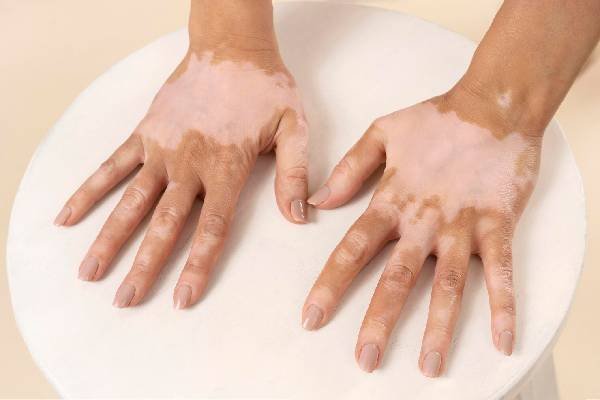
Color Loss Around Body Openings
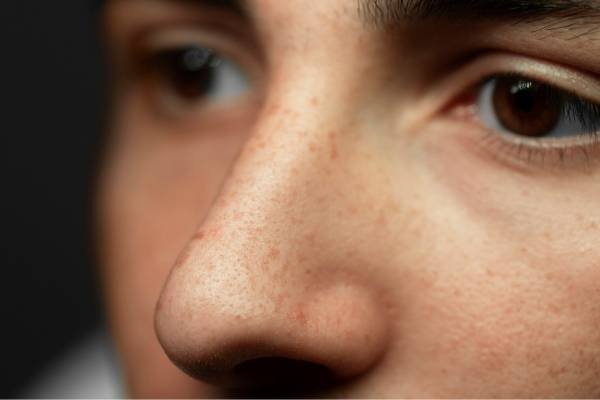
Depigmentation may form around the mouth, eyes, nose, belly button, or genital openings.

Increased Sensitivity to Sunlight
Affected areas may become more sensitive to sunlight, leading to quicker tanning or redness of the surrounding skin.
Treatment Approach
Comprehensive Skin
A detailed consultation is performed to assess patch type, spread, triggers, and medical history using dermatoscopic examination.

Severity Assessment
We categorize Vitiligo as segmental, non-segmental, or mixed, helping determine the most effective treatment method.
Medical Repigmentation Therapy
Topical medications, corticosteroids, calcineurin inhibitors, and pigment-stimulating creams are used to encourage melanocyte activity.
Phototherapy
Advanced phototherapy helps stimulate pigment cells and is highly effective in repigmenting face, neck, and trunk areas.
Support & Long-Term Care
Our guidance on diet, stress management, and lifestyle adjustments to prevent flare-ups and support long-lasting results.

Why Choose Teras Speciality Clinic
“Expert Diagnosis, Compassionate Care, Visible Results”
- Expert Dermatologists Specialized in Vitiligo Care
- Advanced Treatment Technologies
- Personalized & Holistic Treatment Plans
- Compassionate & Confidential Care
- Continuous Follow-up & Support
- Visible, Long-Lasting Results
Before & After Gallery
Before beginning treatment at Teras Speciality Clinics, many individuals struggle with visible white patches that gradually expand across the skin, leading to uneven skin tone and a noticeable impact on confidence and daily interactions. These patches often persist despite home remedies or previous treatments, leaving patients feeling uncertain and emotionally distressed. After undergoing our advanced and personalized vitiligo care, patients commonly experience a remarkable transformation—natural skin colour begins to return, patch size reduces, and the progression of vitiligo becomes significantly controlled. Over time, the skin tone appears more even and healthy, offering not just cosmetic improvement but also renewed self-esteem and comfort in social environments. With expert-guided follow-ups and long-term care at Teras, patients regain clarity, stability, and confidence in their skin.

Book An Appointment
“Take the First Step Toward Clearer, Confident Skin”
If you’re noticing white patches on your skin or experiencing changes in pigmentation, early evaluation can make a significant difference. At Teras Speciality Clinics, our dermatology experts provide accurate diagnosis and personalized vitiligo treatment plans designed to restore skin confidence and prevent progression. Whether you need a first-time consultation or ongoing support, we ensure compassionate care, complete privacy, and effective treatment options tailored to your skin. Schedule your appointment today and take the first step toward clearer, healthier, and beautifully balanced skin.
“Reach Out Today—Your Skin Health Matters to Us”
FAQS
Is Vitiligo curable?
Vitiligo is a chronic skin condition, but it is highly manageable with modern medical treatments. While a complete cure may vary depending on individual response, therapies such as phototherapy, topical medications, and surgical procedures can significantly restore pigmentation, reduce visibility, and prevent further spreading. With early intervention and consistent care, many patients achieve remarkable improvement.
What causes Vitiligo?
Vitiligo develops when melanocytes—the cells responsible for producing skin pigment—stop functioning or are destroyed. This can happen due to autoimmune reactions, hereditary factors, emotional stress, hormonal changes, skin injuries, or exposure to certain chemicals. The exact cause may differ from person to person, making professional evaluation important.
Can Vitiligo spread?
Yes, Vitiligo can progress gradually or sometimes rapidly, depending on the individual. Some people experience stable patches for years, while others may see new areas developing. Early diagnosis and timely treatment are key to slowing down or stopping the spread effectively.
Is Vitiligo contagious?
Absolutely not. Vitiligo is a non-infectious condition and does not spread through physical contact, touch, sharing food, or personal items. It is a dermatological condition related to pigmentation, not an infection.
What treatment works best for Vitiligo?
The best treatment depends on the pattern, severity, and location of the patches. Common options include phototherapy (NB-UVB), topical corticosteroids, immunomodulators, depigmentation therapy for extensive cases, and surgical procedures like melanocyte transplantation. Your dermatologist will suggest a customized treatment plan after evaluating your skin type and condition.
Can children develop Vitiligo?
Yes, Vitiligo can appear at any age, including childhood. Early detection helps control its progression and enhances the response to treatment. Children usually respond well to non-invasive treatments when managed early and carefully.
Will Vitiligo come back after treatment?
Vitiligo may return in some individuals due to triggers like stress, immune changes, or skin injuries. However, consistent follow-up care, proper maintenance treatments, sun protection, and lifestyle guidance greatly reduce the chances of recurrence and help maintain stable results in the long term.
Is sun exposure harmful for Vitiligo patches?
Yes, Vitiligo-affected skin lacks natural pigment, making it much more sensitive to sunlight and easily prone to sunburn. Excessive UV exposure can worsen the condition or highlight contrast between normal and depigmented skin. Using sunscreen, wearing protective clothing, and avoiding harsh sunlight are essential for skin safety.
Our Testimonials