
Fracture Treatment
Fracture Treatment
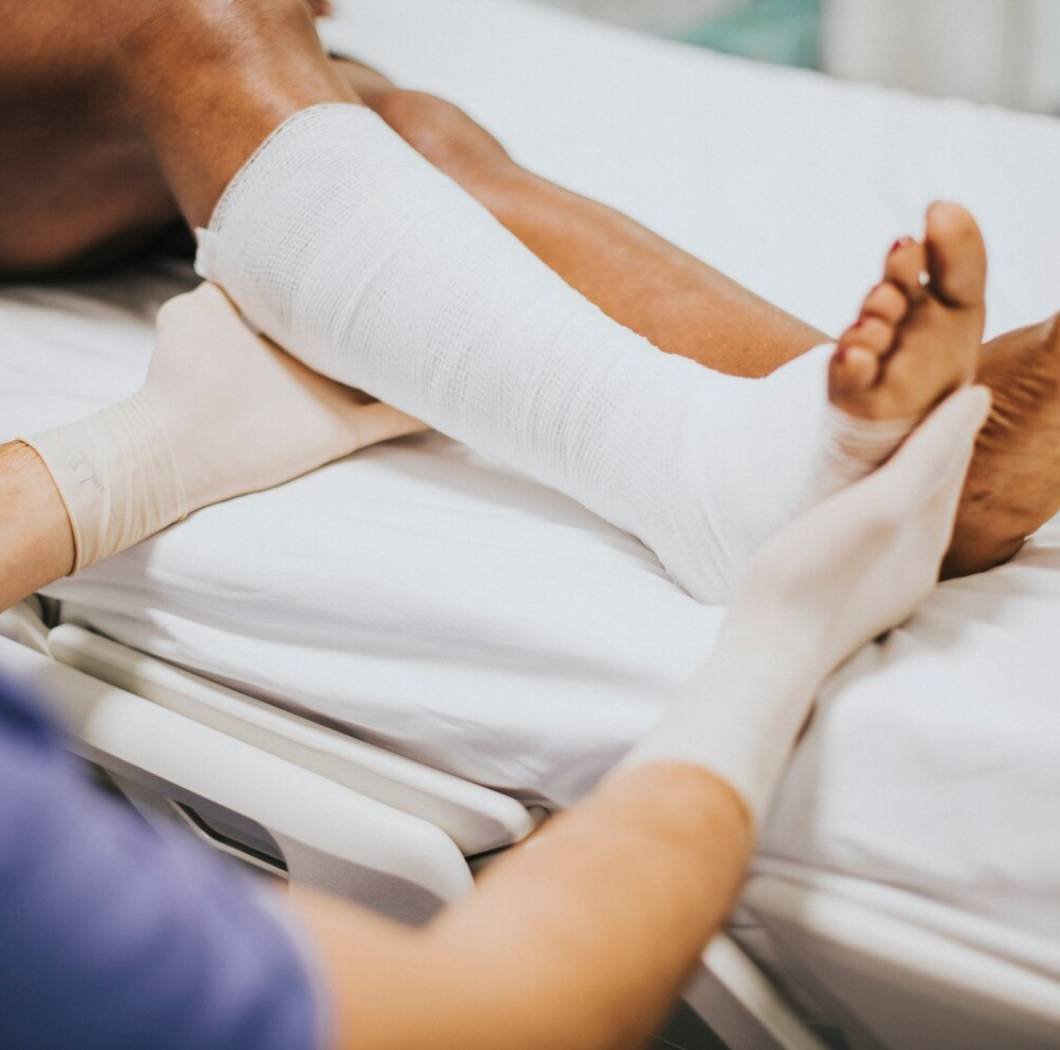
A fracture can be painful, limiting, and disruptive—whether caused by an accident, fall, sports injury, or weakened bones. At Teras Speciality Clinics, we provide expert orthopaedic care for all types of fractures, ensuring accurate diagnosis, proper alignment, and stable healing.
- Accurate Diagnosis with Advanced Imaging
- Expert Bone Alignment & Stabilization
- Non-Surgical & Surgical Treatment Options
- Pain Management & Swelling Control
- Continuous Follow-Up for Complete Healing
Early Signs
"Identify the Signals Early — Protect Your Skin Before Problems Grow"

Non-Healing Wounds
Cuts, sores, or lesions that do not heal properly may point to chronic skin disease, poor immunity, or infection.
Unusual Patches
Light or dark patches, uneven tone, or sudden pigmentation changes may be related to vitiligo, dermatitis, or chronic skin conditions.
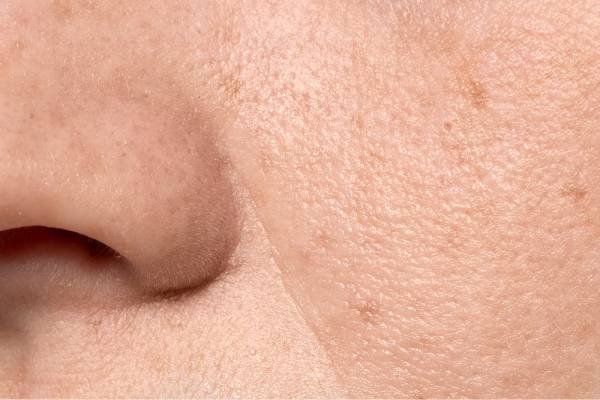
Cracked Skin
Skin that feels rough, flaky, or excessively dry may be an early sign of psoriasis, eczema, or environmental damage.

Small Bumps, Blisters
Unexpected eruptions on the skin—whether itchy, painful, or spreading—can signal infections, allergic reactions, or autoimmune issues.
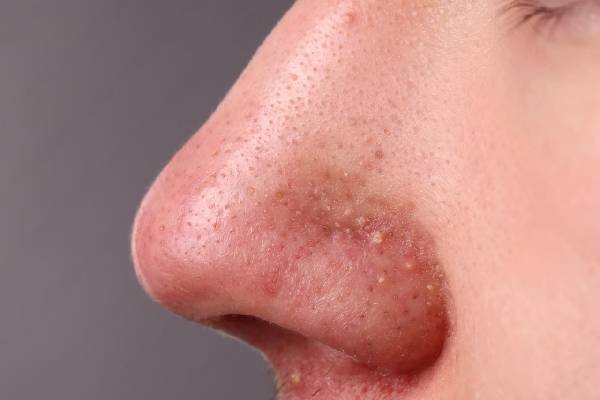
Sudden Pigmentation Changes
Dark spots, white patches, or uneven tone appearing without reason may require medical evaluation to rule out underlying conditions.
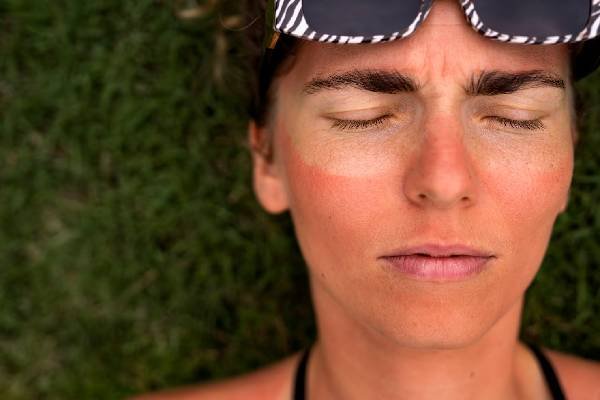
Oozing, Burning, or Inflammation
Any area of skin that becomes warm, swollen, oozes fluid, or develops crusting could indicate infection and needs prompt treatment.
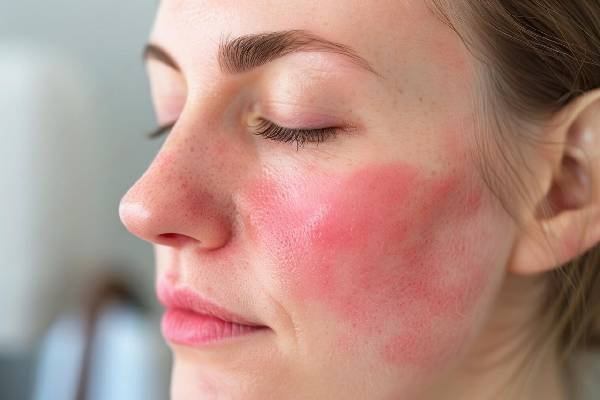
Persistent Itching or Redness
Ongoing irritation, redness, or burning sensation could indicate allergies, eczema, fungal infections, or inflammation.
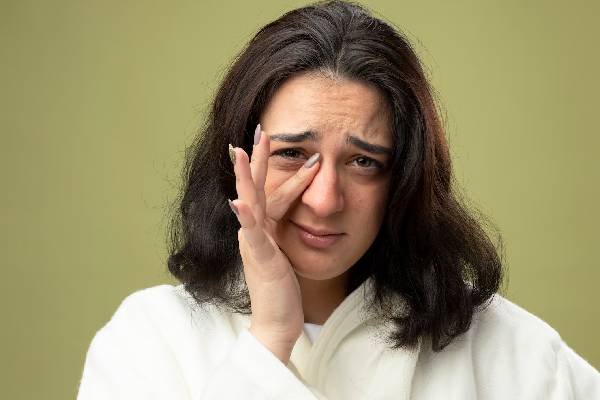
Unusual Skin Sensations
Abnormal sensations on the skin—such as tingling, burning, stinging, or numbness—can indicate underlying infections, nerve-related skin conditions, or inflammatory disorders.
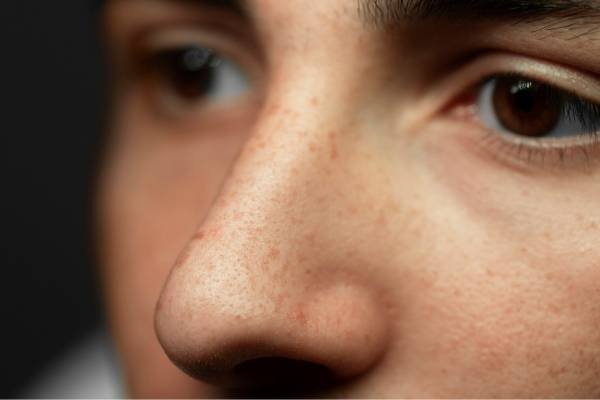
Treatment Approach
Detailed Skin Examination
A thorough evaluation of the affected skin, including texture, colour changes, patterns, and symptoms to identify the exact condition.

Advanced Diagnostic Tests
Dermatoscopy, skin scraping, allergy tests, biopsy, or blood tests may be performed for accurate diagnosis.
Personalized Treatment Planning
Based on the condition, severity, and skin type, a customised treatment protocol is prepared using medical therapies.
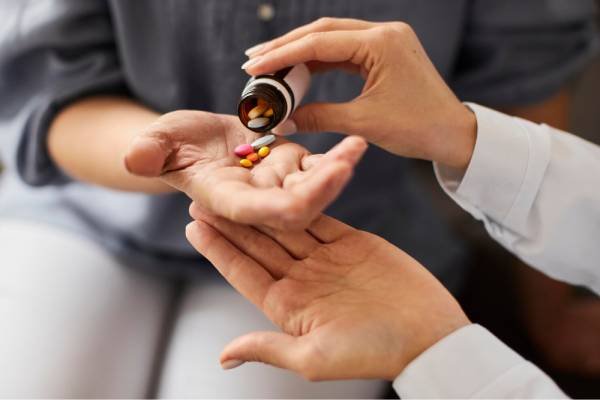
Targeted Medical Treatment
Evidence-based treatments such as topical creams, oral medications, laser therapy, phototherapy, chemical peels.

Skin Repair & Symptom Management
Focus on reducing itching and redness and preventing spread. Supportive care includes moisturizing and healing serums.
Long-Term Skin Health Plan
Regular monitoring ensures healing progress, adjusts treatments, and provides lifestyle, diet, and skincare guidance.
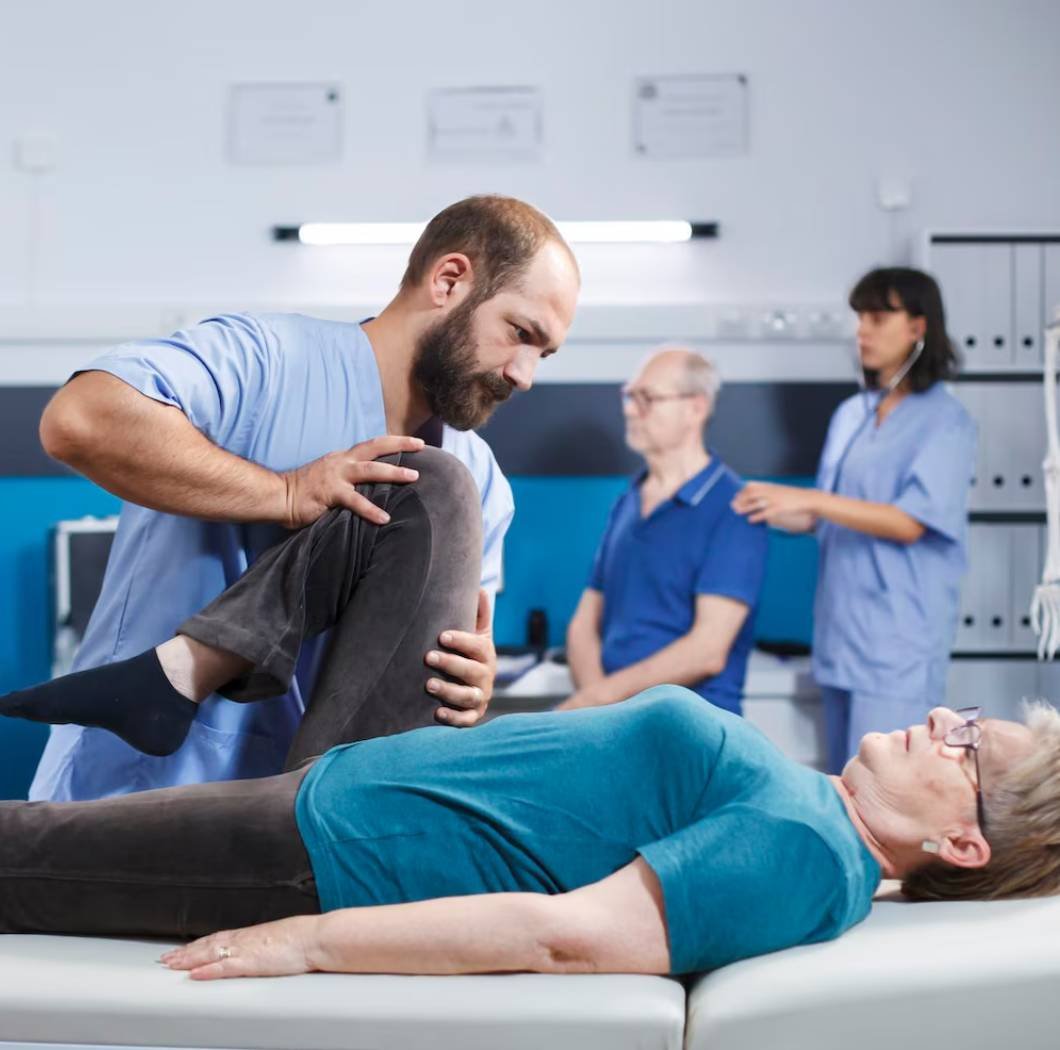
Why Choose Teras Speciality Clinic
“Expert Orthopaedic Care Backed by Precision, Compassion, and Advanced Healing”
- Experienced Orthopaedic Specialists
- Advanced Technology for Accurate Results
- Customized Treatment Plans
- Minimally Invasive Options
- Rehabilitation & Strength Restoration
Before & After Gallery
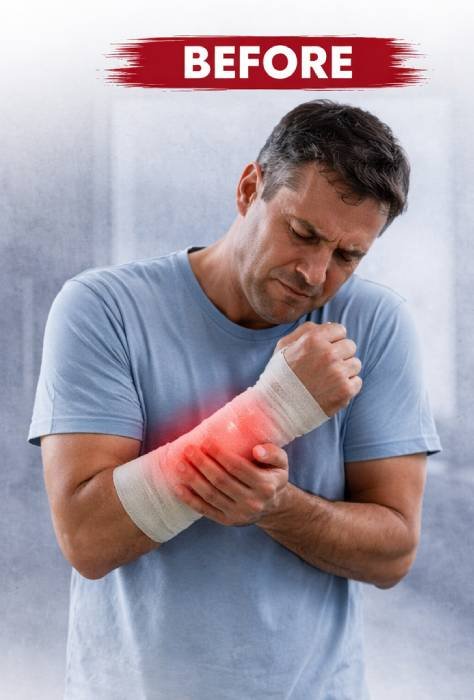
Before treatment, patients often endure severe pain, visible swelling, restricted movement, and an inability to use the affected limb. Simple daily activities—such as walking, lifting, or even holding objects—become difficult or impossible. In many cases, delayed or improper management can worsen the injury, leading to complications like bone deformity, joint stiffness, muscle weakness, or long-term mobility issues.
After undergoing specialized fracture care at Teras Speciality Clinics, patients experience significant pain reduction, precise bone alignment, and noticeable improvement in limb function. As healing progresses, guided physiotherapy and structured rehabilitation help restore strength, flexibility, and smooth movement. With regular medical follow-up, patients regain stability, confidence, and the ability to perform everyday tasks without discomfort.

Book An Appointment
“Book Your Consultation and Take the First Step Toward Pain-Free Movement”
If you or a loved one has experienced a fracture, timely treatment is essential for proper healing and long-term function. At Teras Speciality Clinics, our orthopaedic experts provide accurate diagnosis, advanced stabilization, and comprehensive rehabilitation to ensure a safe and speedy recovery. Whether it’s a minor hairline fracture or a complex injury, we are equipped to support your healing journey at every step. Book your appointment today and let our specialists guide you toward complete recovery and pain-free mobility.
“Reach Out Today — Your Recovery Starts with a Single Call”
FAQS
What are the common signs of a fracture?
A fracture typically presents with sharp pain, swelling, bruising, reduced movement, and difficulty using the affected limb. In more severe cases, there may be visible deformity, inability to bear weight, or intense tenderness around the injured area. Any such symptoms should be evaluated promptly.
How is a fracture diagnosed?
Fractures are diagnosed using digital X-rays, which clearly show bone breaks and alignment. In complex cases, doctors may recommend CT scans or MRI to assess surrounding tissues, joints, and the severity of the injury. A detailed physical examination also helps determine pain points and functional limitations.
Do all fractures require surgery?
No, most fractures do not require surgery. Many heal effectively with plasters, casts, splints, or braces that stabilize the bone. Surgery is recommended only for severely displaced, open, or unstable fractures, or when proper alignment cannot be achieved through conservative treatment.
How long does fracture healing take?
Healing time varies depending on the bone involved, the type of fracture, and the patient’s age. In general, fractures take 4–12 weeks to heal. Children tend to recover faster, while older individuals or those with medical conditions may require more time.
Is physiotherapy necessary after a fracture?
Yes. Once the bone starts healing, physiotherapy plays a vital role in restoring movement, improving joint flexibility, rebuilding muscle strength, and ensuring proper functional recovery. It prevents stiffness and helps patients return to normal activities more confidently.
Can fractures heal improperly?
Yes, if a fracture is left untreated or improperly aligned, it may lead to malunion, where the bone heals in the wrong position. This can cause chronic pain, deformity, reduced mobility, or long-term functional issues. Proper treatment ensures correct healing and prevents complications.
Can children’s fractures heal faster?
Children’s bones have a higher regenerative capacity, allowing them to heal much faster and with fewer long-term complications. Their bones can remodel effectively, making recovery smoother compared to adults.
When can I return to normal activities?
Your return to daily routines depends on the type of fracture, healing progress, and your doctor’s evaluation. Some activities may resume within weeks, while strenuous tasks or sports may require a longer recovery period to avoid re-injury.
Our Testimonials