

Sports Injury
Sports Injury
Sports injuries can impact performance, movement, and overall quality of life—whether you’re an athlete, fitness enthusiast, or someone who experienced an unexpected strain. At Teras Speciality Clinics, we provide comprehensive, advanced, and personalized sports injury care to help you recover faster and return to your active lifestyle with confidence.
- Personalized rehabilitation programs tailored to sport-specific needs
- Non-surgical treatments like PRP, and ultrasound-guided injections
- Faster recovery with improved mobility and strength
- Post-injury conditioning to prevent future injuries
- Care for athletes of all levels — beginners to professionals
Early Signs
"Identify the Signals Early — Protect Your Skin Before Problems Grow"

Non-Healing Wounds
Cuts, sores, or lesions that do not heal properly may point to chronic skin disease, poor immunity, or infection.
Unusual Patches
Light or dark patches, uneven tone, or sudden pigmentation changes may be related to vitiligo, dermatitis, or chronic skin conditions.
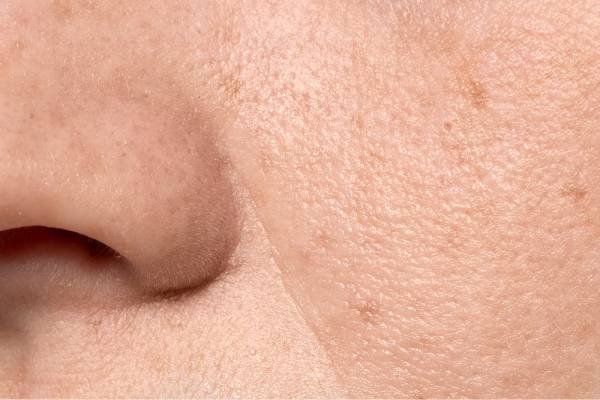
Cracked Skin
Skin that feels rough, flaky, or excessively dry may be an early sign of psoriasis, eczema, or environmental damage.
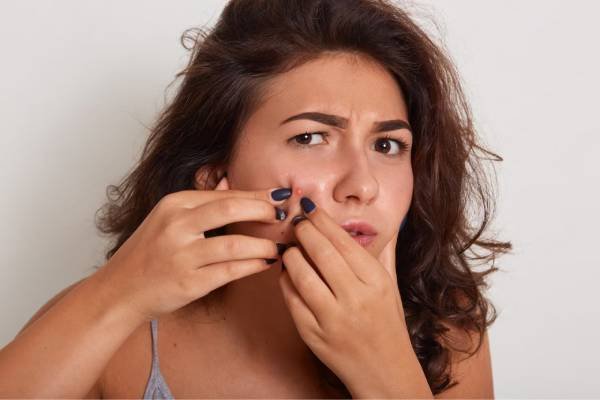
Small Bumps, Blisters
Unexpected eruptions on the skin—whether itchy, painful, or spreading—can signal infections, allergic reactions, or autoimmune issues.
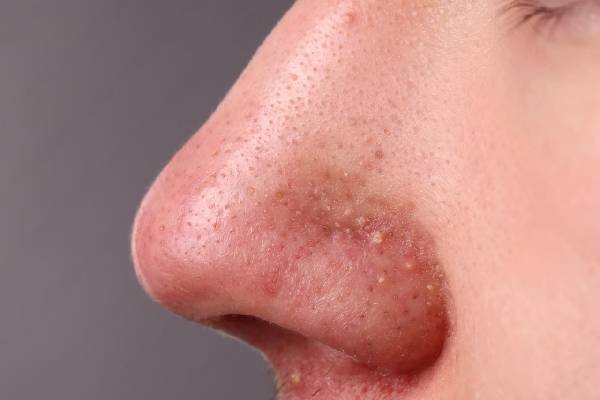
Sudden Pigmentation Changes
Dark spots, white patches, or uneven tone appearing without reason may require medical evaluation to rule out underlying conditions.
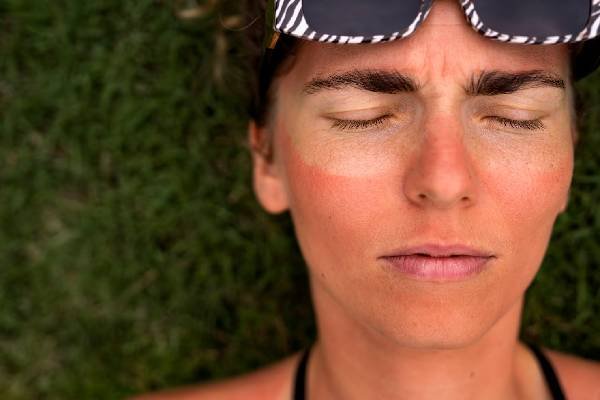
Oozing, Burning, or Inflammation
Any area of skin that becomes warm, swollen, oozes fluid, or develops crusting could indicate infection and needs prompt treatment.
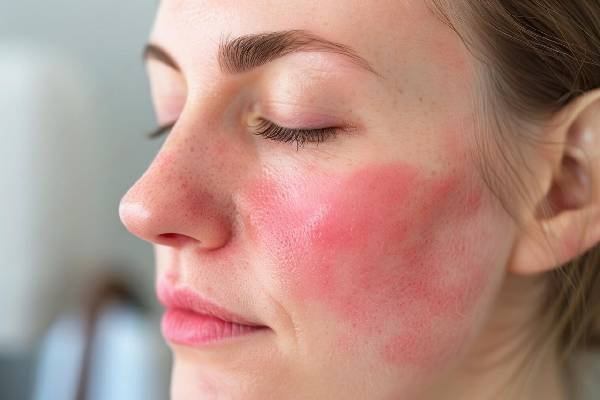
Persistent Itching or Redness
Ongoing irritation, redness, or burning sensation could indicate allergies, eczema, fungal infections, or inflammation.
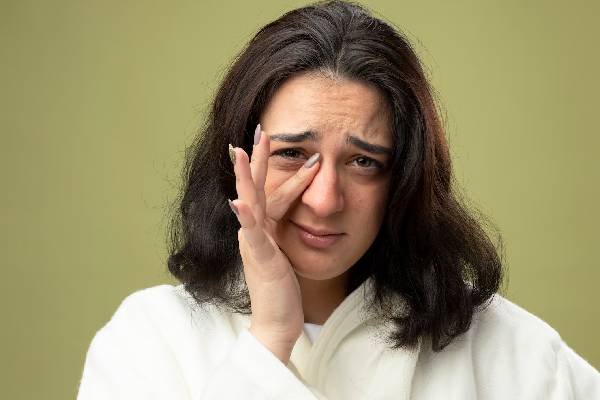
Unusual Skin Sensations
Abnormal sensations on the skin—such as tingling, burning, stinging, or numbness—can indicate underlying infections, nerve-related skin conditions, or inflammatory disorders.
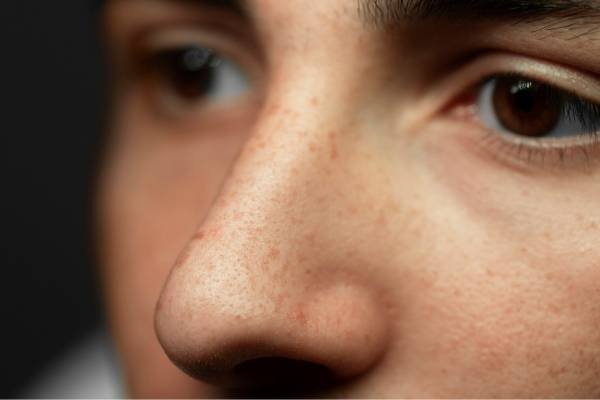
Treatment Approach
Detailed Skin Examination
A thorough evaluation of the affected skin, including texture, colour changes, patterns, and symptoms to identify the exact condition.

Advanced Diagnostic Tests
Dermatoscopy, skin scraping, allergy tests, biopsy, or blood tests may be performed for accurate diagnosis.
Personalized Treatment Planning
Based on the condition, severity, and skin type, a customised treatment protocol is prepared using medical therapies.
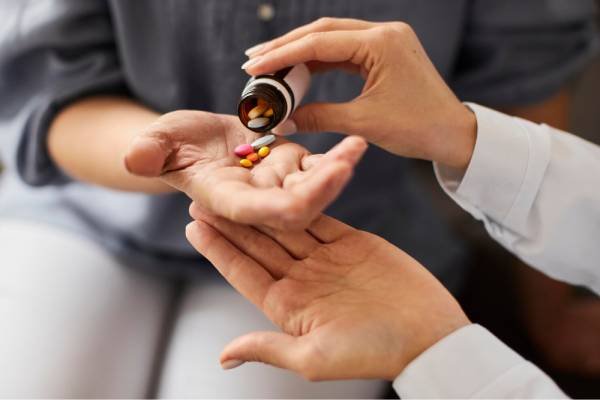
Targeted Medical Treatment
Evidence-based treatments such as topical creams, oral medications, laser therapy, phototherapy, chemical peels.

Skin Repair & Symptom Management
Focus on reducing itching and redness and preventing spread. Supportive care includes moisturizing and healing serums.
Long-Term Skin Health Plan
Regular monitoring ensures healing progress, adjusts treatments, and provides lifestyle, diet, and skincare guidance.
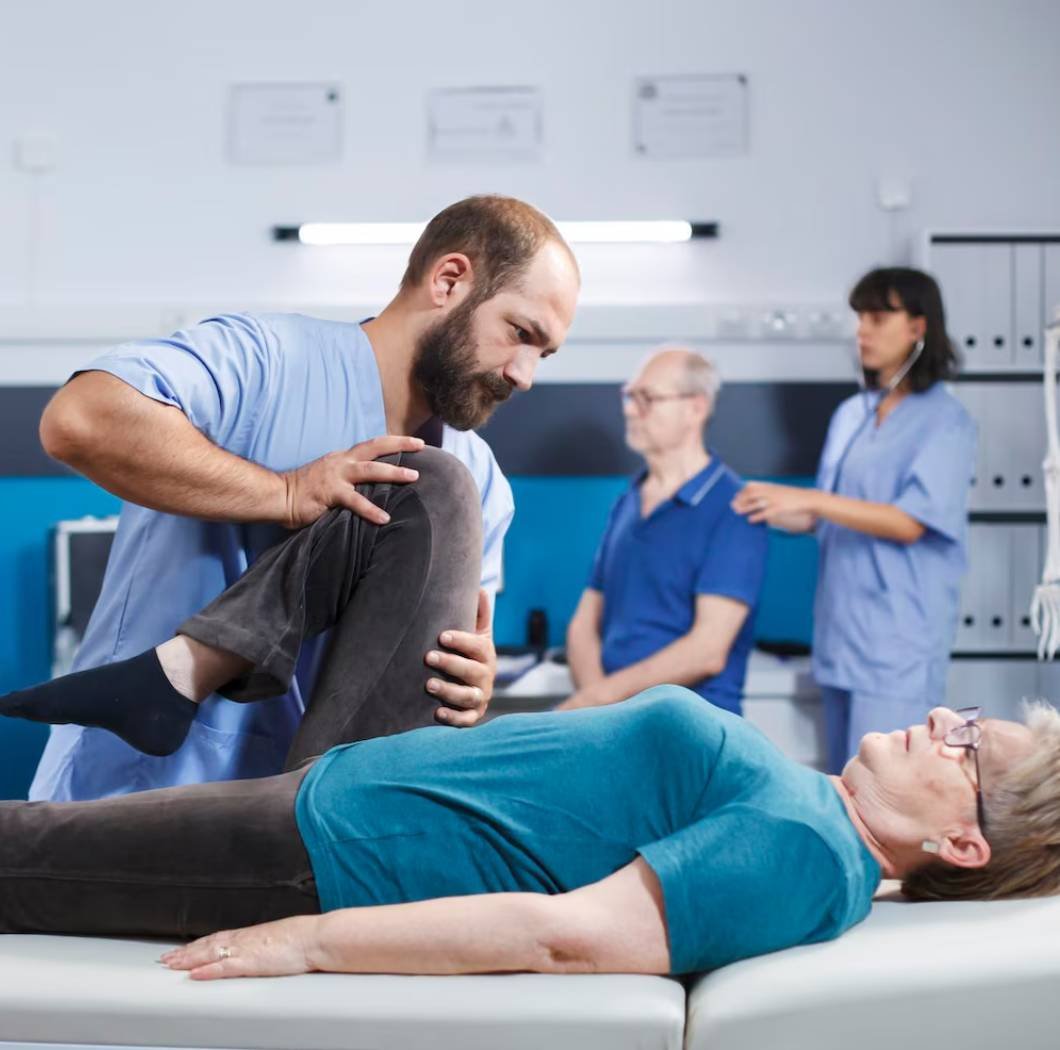
Why Choose Teras Speciality Clinic
“Where Expert Care Meets Athlete-Level Recovery”
- Specialized Sports Medicine Experts
- Comprehensive, Multi-Modal Care
- Sport-Specific Rehabilitation Plans
- Advanced Pain Management Techniques
- Focus on Long-Term Injury Prevention
Before & After Gallery
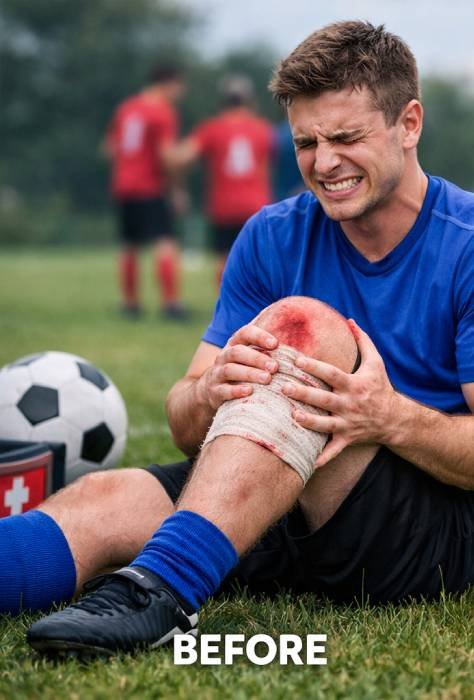
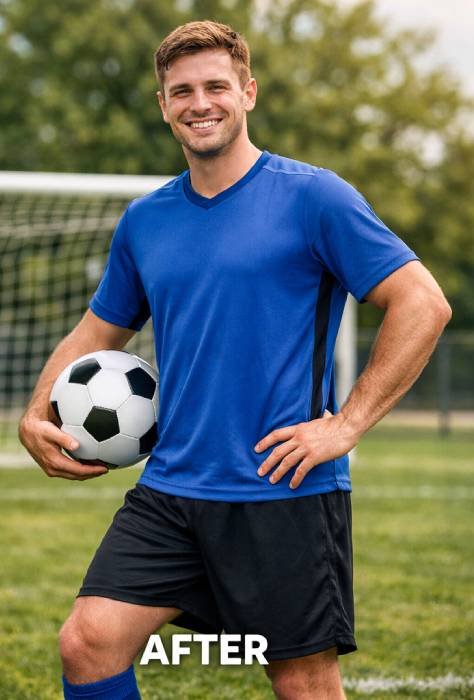
Sports injuries often begin with sharp, persistent pain, noticeable swelling, and restricted movement, making it difficult for patients to walk, run, lift, or engage in athletic activities. Conditions such as ligament tears, tendonitis, muscle strains, cartilage damage, and joint instability can severely affect performance and interfere with daily tasks like climbing stairs, standing for long periods, or even simple arm and leg movements.
With specialized sports injury management at Teras Speciality Clinics, patients experience a clear transformation. Pain and inflammation significantly decrease, while joint function, flexibility, and strength progressively improve. Our advanced therapies — including PRP injections, physiotherapy, manual therapy, strengthening programs, and sport-specific rehabilitation — promote natural tissue healing and restore optimal performance.

Book An Appointment
“Get Back in the Game—Schedule Your Appointment Now”
Don’t let pain, discomfort, or injury keep you away from the activities you love. At Teras Speciality Clinics, your recovery begins with a comprehensive evaluation by our experienced sports medicine specialists. We take the time to understand your condition, your goals, and your performance needs.
Whether you’re healing from a sudden sports injury, managing long-term pain, or aiming to get back to high-level athletic performance, we provide a personalized, science-backed treatment plan tailored specifically for you.
“Need Guidance? Our Specialists Are Ready to Assist”
FAQS
What are the most common sports injuries?
Common sports injuries include sprains, strains, tendonitis, muscle tears, ligament injuries (like ACL tears), joint dislocations, cartilage damage, and stress fractures. These can occur due to overuse, improper technique, sudden impact, or inadequate warm-up.
How do I know if my sports injury is serious?
If you experience severe pain, significant swelling, visible deformity, inability to move the affected area, numbness, or trouble bearing weight, it’s important to seek medical attention. Persistent pain lasting more than a few days also signals a serious condition.
Do all sports injuries require scans or imaging tests?
Not always. Minor injuries can often be diagnosed through physical examination. However, your doctor may recommend X-rays, MRI scans, or ultrasound to check for fractures, ligament injuries, or deep tissue damage when necessary.
How long does recovery from a sports injury take?
Recovery time varies based on the injury type and severity. Minor sprains can heal within 2–3 weeks, while ligament tears or fractures may require several months. Rehabilitation and proper care significantly improve healing speed.
Is physiotherapy really necessary?
Yes. Physiotherapy is essential for restoring full mobility, strength, balance, and flexibility. It also helps retrain muscles and joints, reducing the risk of re-injury and ensuring long-term recovery.
Do all sports injuries require surgery?
Most sports injuries can be treated with non-surgical methods such as physiotherapy, rest, medication, bracing, and PRP injections. Surgery is recommended only for severe or unresponsive injuries like complete ligament tears.
When can I return to playing sports again?
Your return depends on your healing progress, pain level, mobility, and strength. Your doctor or physiotherapist will perform functional assessments to ensure you are safely ready to resume training or competitive activity.
How can I reduce the risk of future sports injuries?
Proper warm-ups, stretching, correct training techniques, muscle strengthening, hydration, and adequate rest help prevent injuries. Regular physiotherapy can also improve body mechanics.
Our Testimonials